When the shower runs cold after a long day in the tropics, nothing feels more urgent than a reliable fix. For homeowners comparing hot water systems Townsville, the right choice hinges on climate, water quality, and running costs that make sense year-round. This guide brings local context together with practical options, so they can choose a system that actually fits how they live.
What To Know About Townsville’s Climate And Water Conditions
Townsville’s tropical climate is a study in contrasts: long, hot, humid summers, warm shoulder seasons, and brief, mild winters. The upside is abundant sunshine and consistently warm ambient temperatures, great news for solar thermal systems and heat pumps.
Water conditions matter too. Many Townsville households experience moderately hard water, with mineral content that can accelerate scale buildup in heaters, elements, and fixtures. Near the coast, salty air and humidity can push corrosion along faster than expected, especially on exposed metal fittings and storage tanks. For any hot water system in Townsville, that means two things: prioritize corrosion-resistant components (glass-lined tanks, stainless fittings, quality anodes) and plan for periodic descaling or maintenance.
Add one more local twist: cyclones. Roof-mounted gear (solar collectors, tanks) needs compliant brackets and fixings for Region C wind ratings, and plumbers often specify stronger roof penetrations, storm-safe isolation valves, and smart routing to reduce damage risk. The environment’s generous for renewable gains, but it asks for robust installs.
See also: Decorator Advice Hub: Decoratoradvice.Com
Choosing The Right System Type
Selecting a hot water system in Townsville isn’t just about the sticker price. It’s about matching technology to climate, tariffs, and how the household uses hot water.
Electric Storage
Electric storage is common for its simplicity and lower upfront cost. Tanks pair nicely with controlled-load tariffs (like Tariff 31/33 in regional QLD), heating water during cheaper off-peak windows. In Townsville, insulation matters: a well-insulated tank and lagged pipes reduce standby losses in warm, breezy conditions. Downsides? Element wear from scale, and higher lifetime energy costs compared with solar or heat pumps. For small households on a budget, though, off-peak electric can be a sensible start.
Gas Continuous Flow
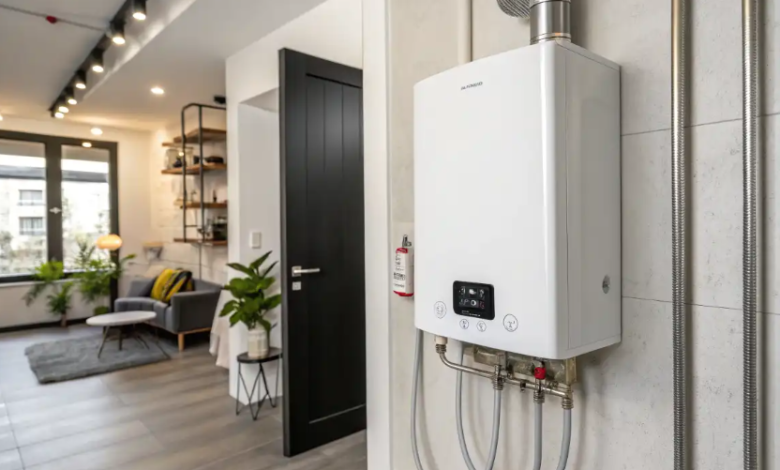
Continuous flow gas heaters supply hot water on demand, avoiding standby losses and “cold shower after three teenagers” problems. Natural gas availability can be patchy in parts of regional Queensland, so many residents rely on LPG bottles. That adds delivery logistics and typically higher per-unit energy costs than mains gas. Where gas is convenient, these units shine for compact footprints, unlimited run-time, and clean installation: just ensure proper flueing, ventilation, and cyclone-aware mounting for external units.
Solar Thermal With Booster
Townsville’s sunshine makes solar thermal a top contender. Roof collectors do the heavy lifting most of the year, with an electric or gas booster picking up cloudy spells and winter mornings. A well-sized system can cover 60–90% of annual hot water energy. Key considerations: roof orientation (north-facing is ideal), pitch, shading (tall palms, neighboring roofs), and cyclone-rated mounting. Split systems keep the tank at ground level for easier service, while close-coupled options save space. Upfront costs are higher, but Small-scale Technology Certificates (STCs) help, and the payback can be compelling for families with steady hot water demand.
Heat Pump Systems
Heat pumps are like fridges in reverse, pulling heat from ambient air to warm water. They perform especially well in warm climates, so Townsville is almost a heat pump sweet spot. Compared with straight electric, they can cut energy use by 60–70%. Look for models with good Coefficient of Performance (COP) in high humidity and salt-air environments, anti-corrosion coatings, and quiet operation modes for night-time. They work fine through Townsville’s mild winters: efficiency dips a little on cool nights but stays strong overall. If roof space is limited or solar thermal isn’t practical, a heat pump is a strong, low-cost alternative.
Sizing, Efficiency, And Running Costs
Getting size and efficiency right prevents both cold surprises and bill shock.
Household Size And Usage Patterns
As a rough local guide:
- 1–2 people: 125–160L electric storage, 16–20L/min gas continuous flow, or a small-to-mid heat pump.
- 3–4 people: 250L electric or 26L/min gas: mid-size heat pump: 300L solar with booster.
- 5+: 315–400L electric/heat pump: larger solar array: high-capacity gas.
Morning vs evening showers, teens in sports, or a big tub change the math. Households that bunch usage should consider either larger storage or continuous gas flow for resilience.
Energy Tariffs And Peak/Off-Peak Considerations
Regional Queensland commonly uses Ergon Energy tariffs. Controlled-load tariffs (Tariff 31 “Super Economy” or Tariff 33 “Economy”) can make electric storage and some heat pumps very cost-effective by heating water off-peak. Continuous flow gas ignores electricity tariffs but depends on gas pricing. Solar thermal offsets daytime energy directly: heat pumps can be timed to run in the warmest part of the day for higher efficiency.
Upfront Versus Lifetime Cost
- Electric storage: lowest upfront, highest long-term energy spend.
- Gas continuous flow: moderate upfront, variable running cost (LPG vs mains), minimal standby losses.
- Solar thermal: high upfront, low running cost: excellent in Townsville’s sun: needs booster and cyclone-rated install.
- Heat pump: mid-to-high upfront, low running cost, strong fit for warm climate.
Over 8–12 years, many Townsville homes find solar or heat pumps pay back through lower bills, especially as hot water is often the second-biggest energy load after cooling.
Installation, Compliance, And Local Incentives
Building Codes And Cyclone Resilience
Townsville sits in a cyclone-prone region, so roof work must meet wind region requirements (commonly Region C). Solar frames, collectors, and any roof penetrations need compliant fixings, flashing, and sealants. Ground-mounted tanks should be anchored: external gas units require secure brackets and correct clearances.
STCs, Rebates, And Metering
Solar thermal and eligible heat pumps generate STCs that reduce upfront costs through point-of-sale discounts. Check current federal factors before purchase: they step down over time. For electric storage and heat pumps, ask the electrician/plumber about separate controlled-load metering to access Tariff 31/33. Households with PV solar might also time heat pump operation to coincide with midday generation.
Placement, Noise, And Aesthetics
- Heat pumps: place away from bedroom windows and neighbors: confirm dB ratings. Coastal homes benefit from sheltered spots to cut salt exposure.
- Solar thermal: avoid shade, plan for maintenance access, and keep roof lines tidy with symmetrical layouts where possible.
- Electric/gas: protect from direct spray, sun, and garden irrigation: lag exposed copper to beat UV and heat losses.
Maintenance, Lifespan, And Common Issues
Anodes, Corrosion, And Tank Health
In coastal humidity, sacrificial anodes earn their keep. Many tanks need anode checks every 3–5 years: in harsher spots, sooner. Stainless-steel tanks reduce rust risk but still need regular inspections of valves and fittings. Look for weeping around the PTR valve or base, early signs of trouble.
Scale Buildup And Water Quality Management
Moderately hard water can coat elements, reduce heat transfer, and shorten component life. Annual or biannual descaling of heat pump condensers and periodic element inspection on electric storage pay off. Simple habits help too: keep inlet strainers clean and consider a whole-home or point-of-entry filter if sediment is an issue in your suburb.
Seasonal Performance And Troubleshooting Basics
- Solar thermal: In the wet season, heavy cloud may mean the booster kicks in more often, which is normal. If water runs lukewarm on sunny days, check pump circulation, controller settings, and air in the line.
- Heat pumps: Expect better performance in warm afternoons. If they ice or get noisy, clean coils, check clearance, and review settings.
- Gas continuous flow: inconsistent temps often trace back to low gas pressure, partially blocked filters, or incorrect flow settings.
- Routine: Test PTR valves annually, flush tanks where recommended, and clear geckos/ants from outdoor control boxes. Yes, they love the warmth.
Conclusion
For hot water systems Townsville, the climate is an ally if the system matches the setting. Solar thermal thrives in the sun, heat pumps sip power in warm air, and even basic electric storage can be cost-savvy on a controlled load. The winning setup pairs cyclone-ready installation with smart sizing and a realistic maintenance plan. If the choice still feels murky, getting a local plumber to sanity-check roof orientation, tariffs, and water quality usually pays for itself in the first year.